Guyana Pinktoe Tarantula | Avicularia avicularia
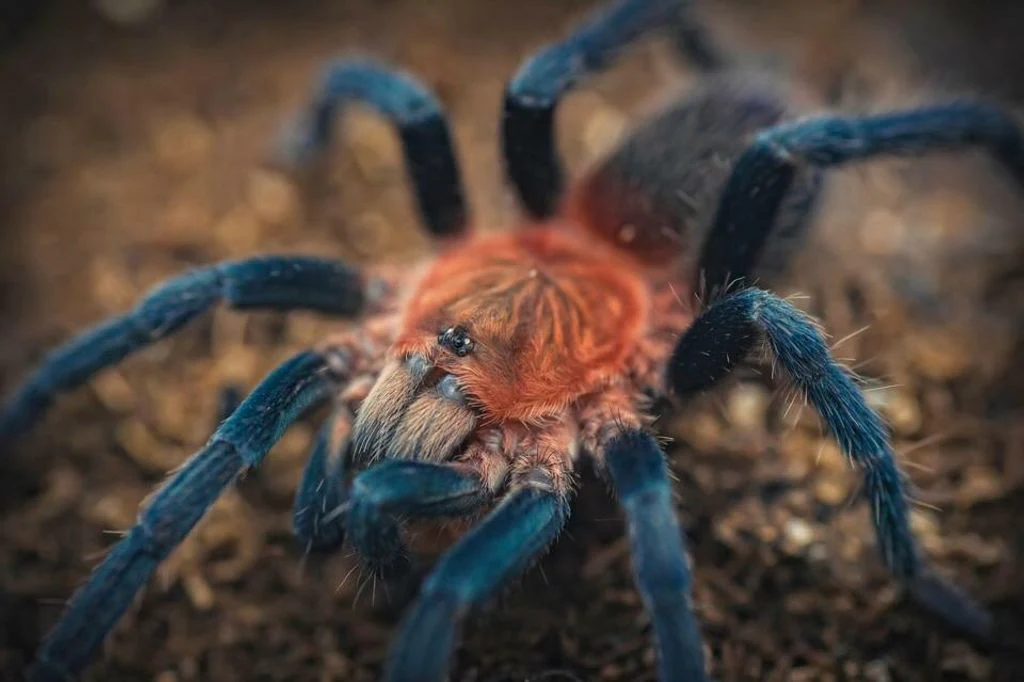
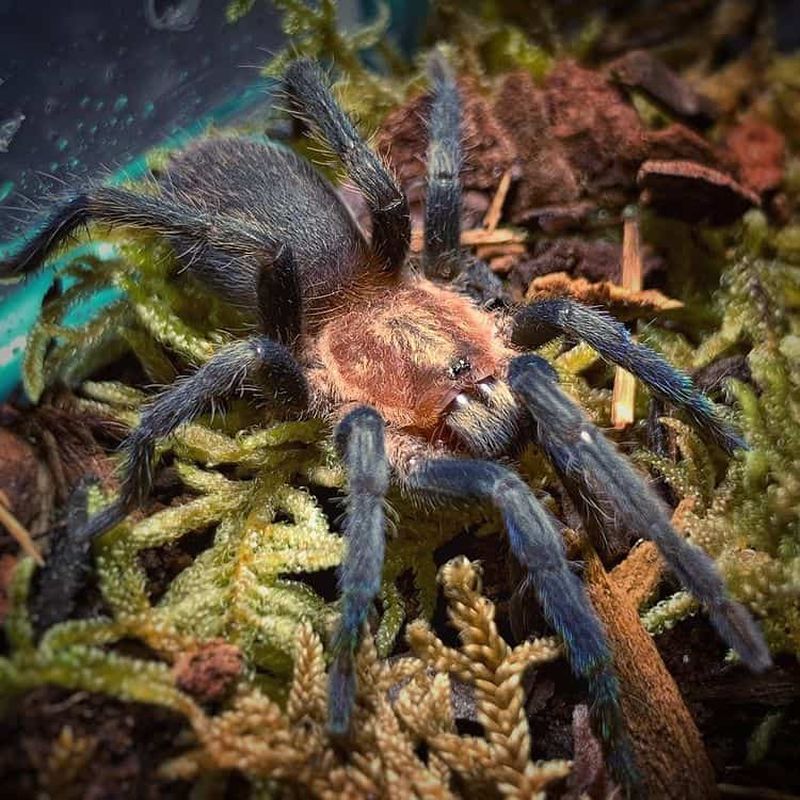
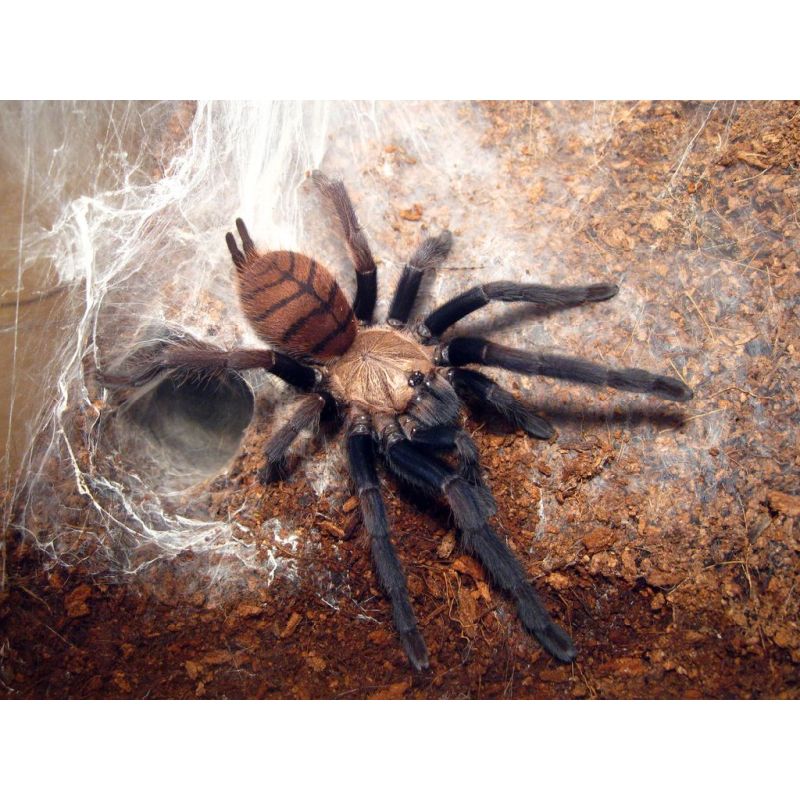
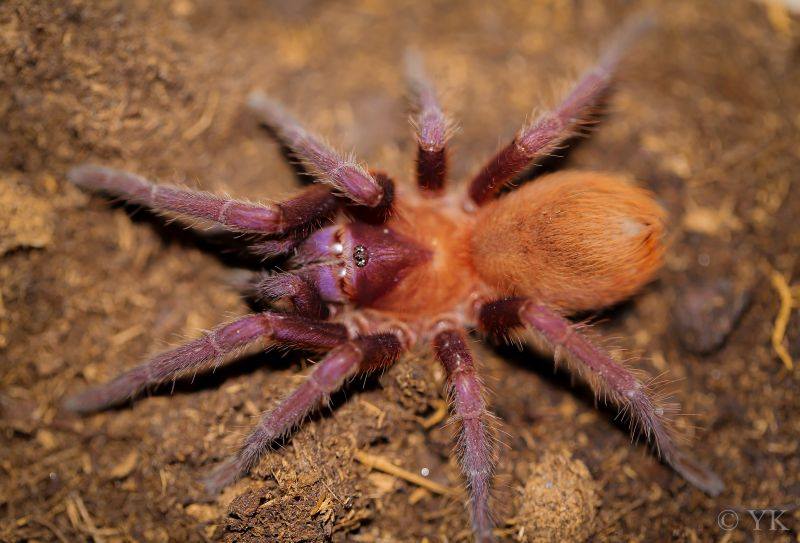
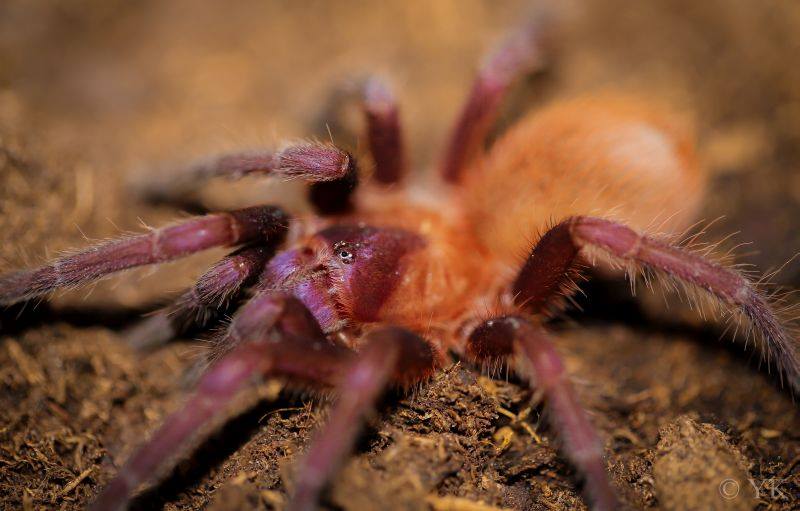
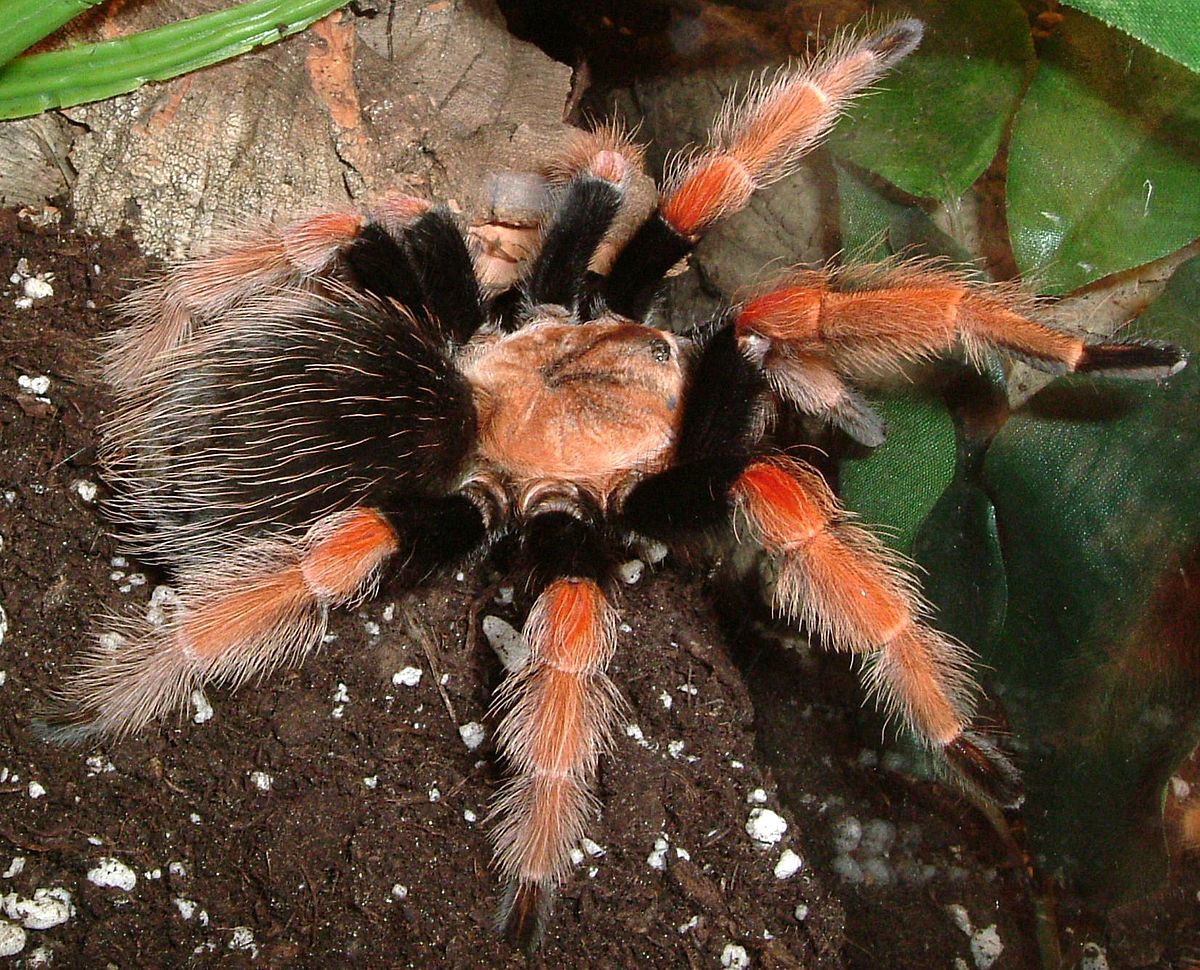
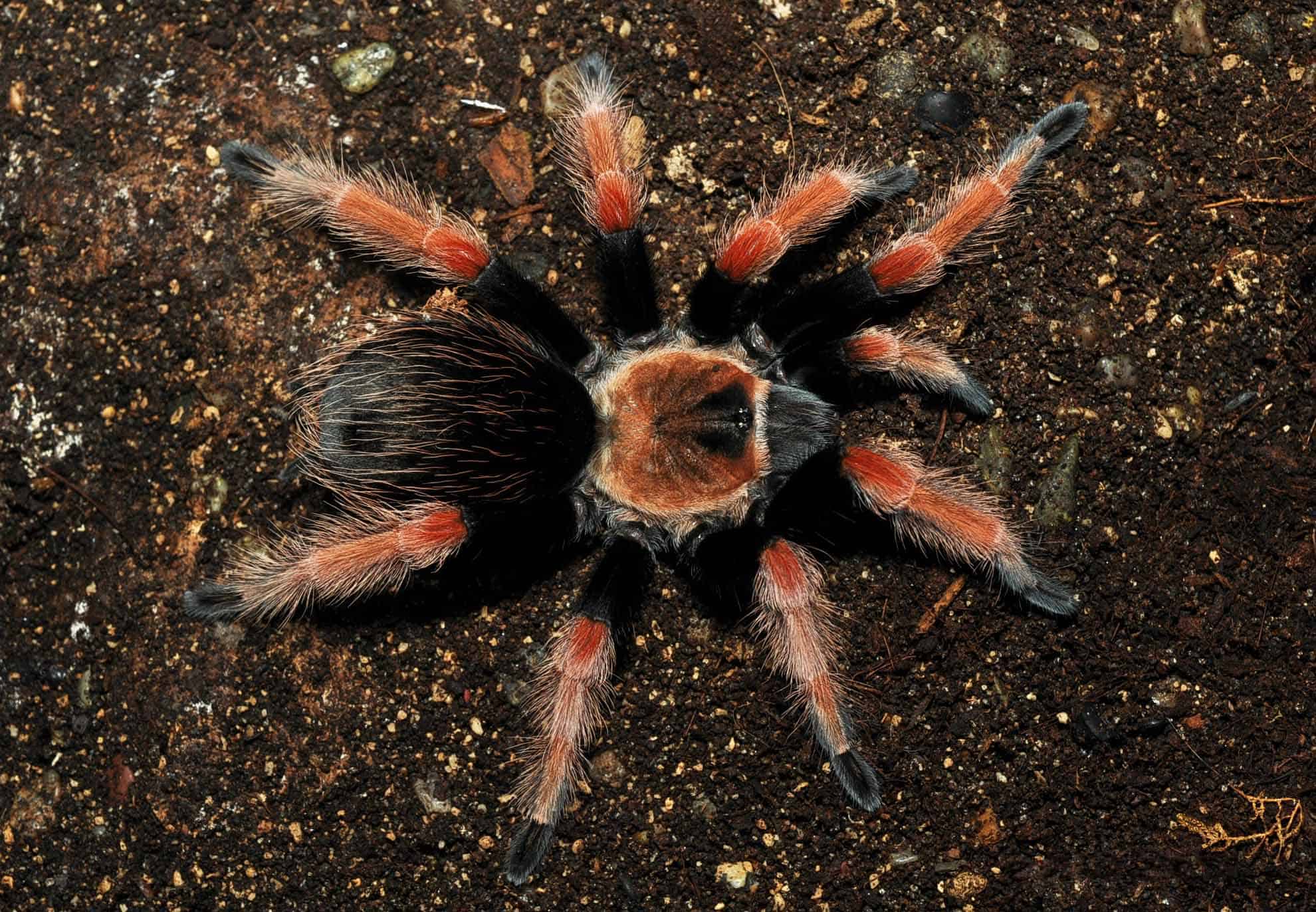
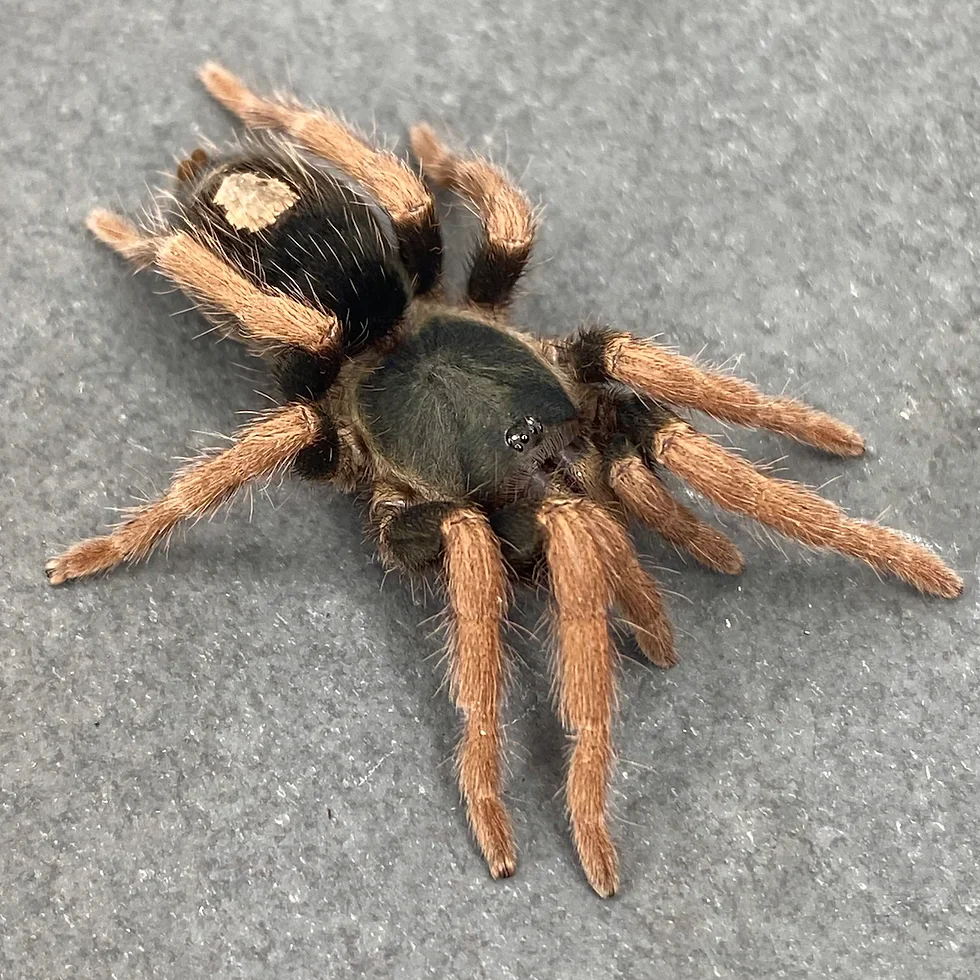
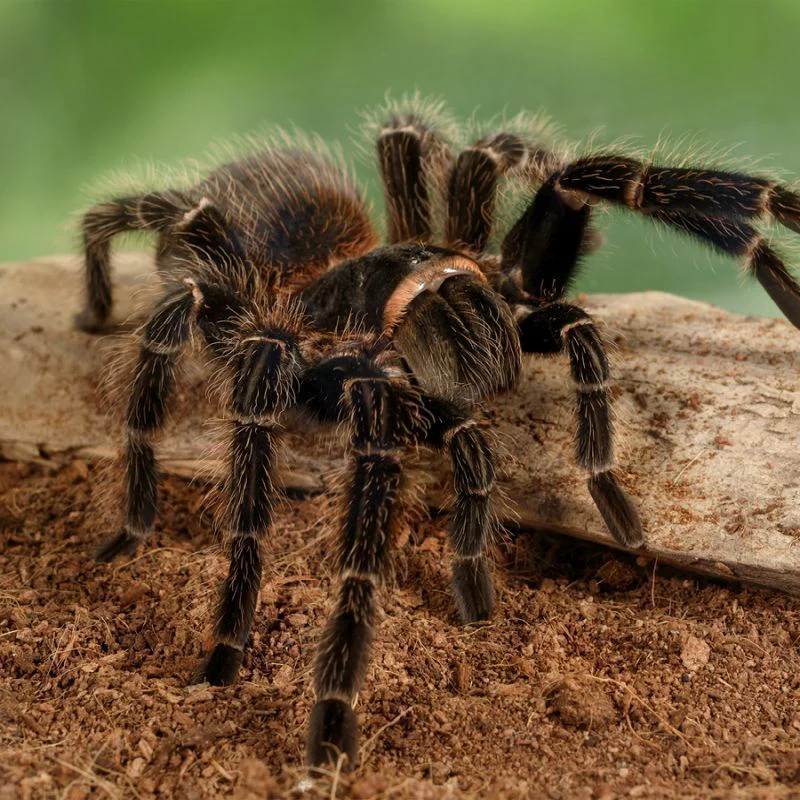
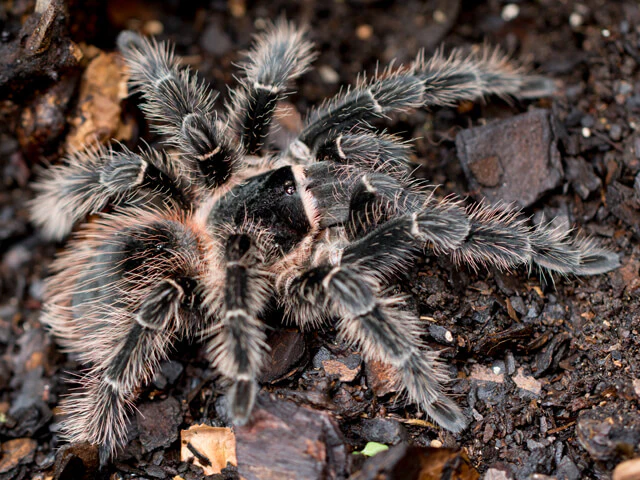
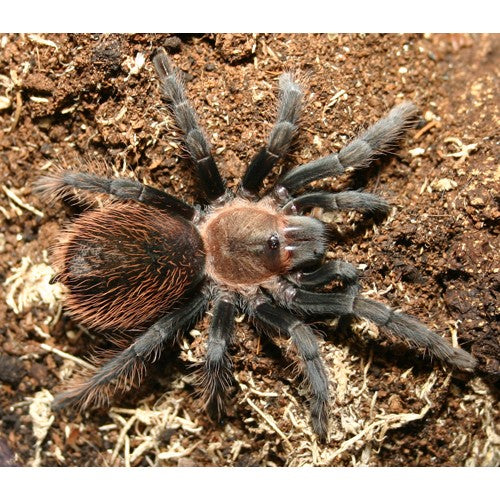
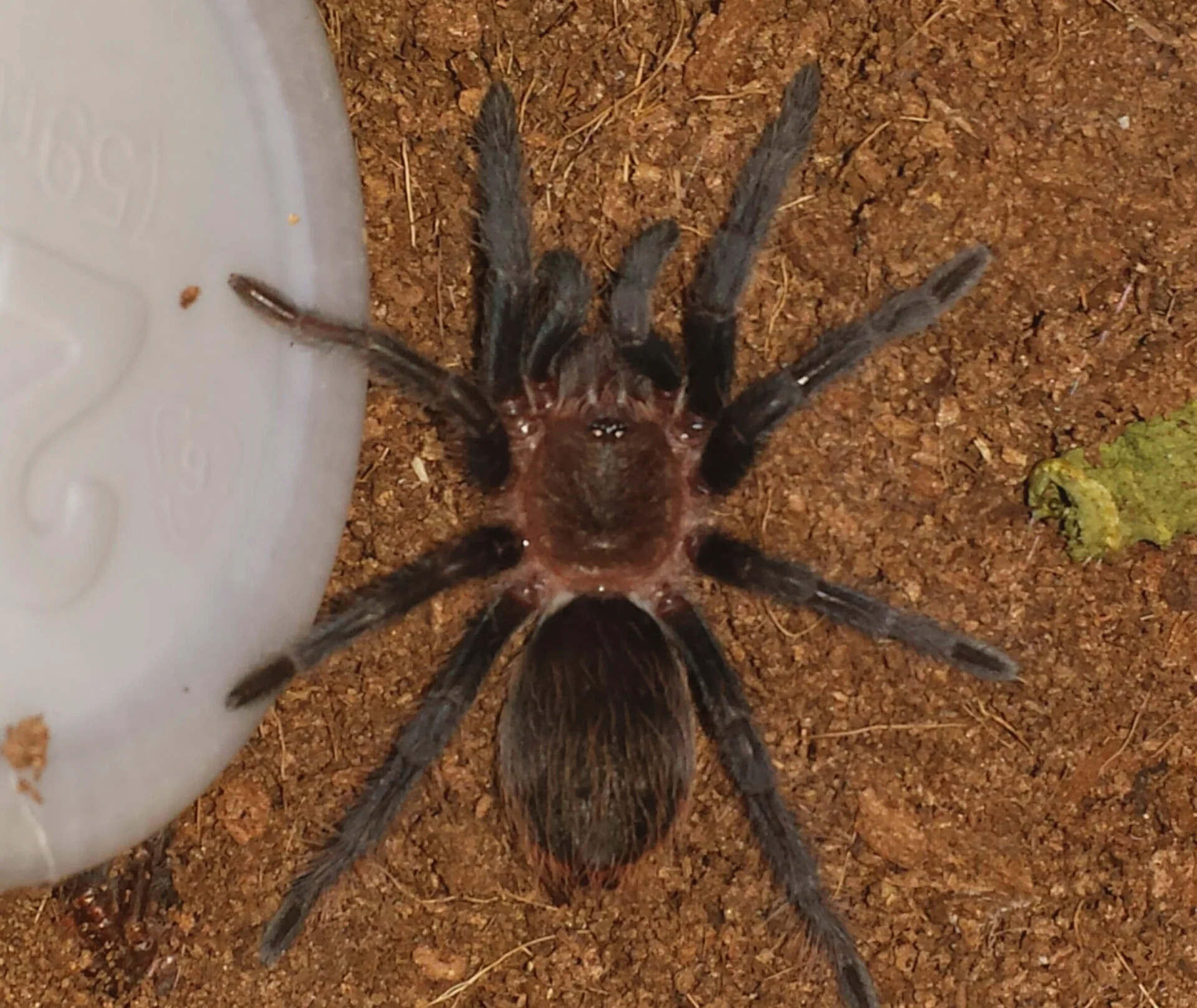
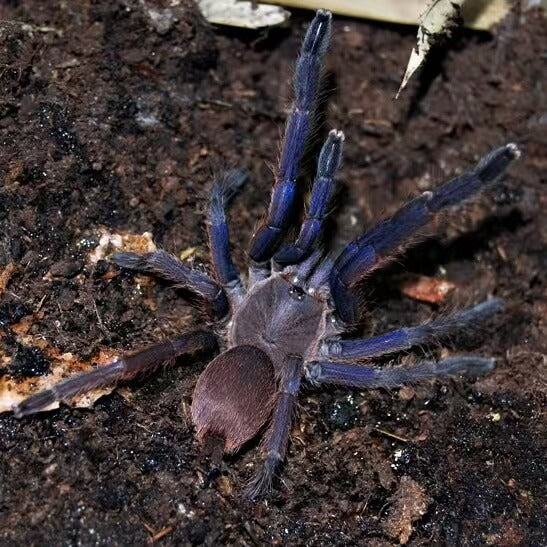
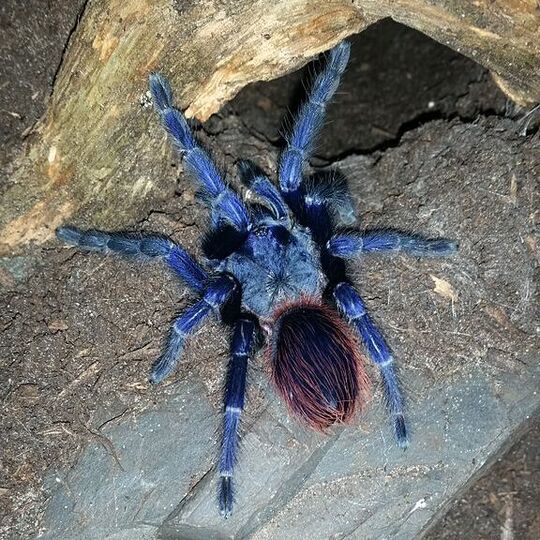
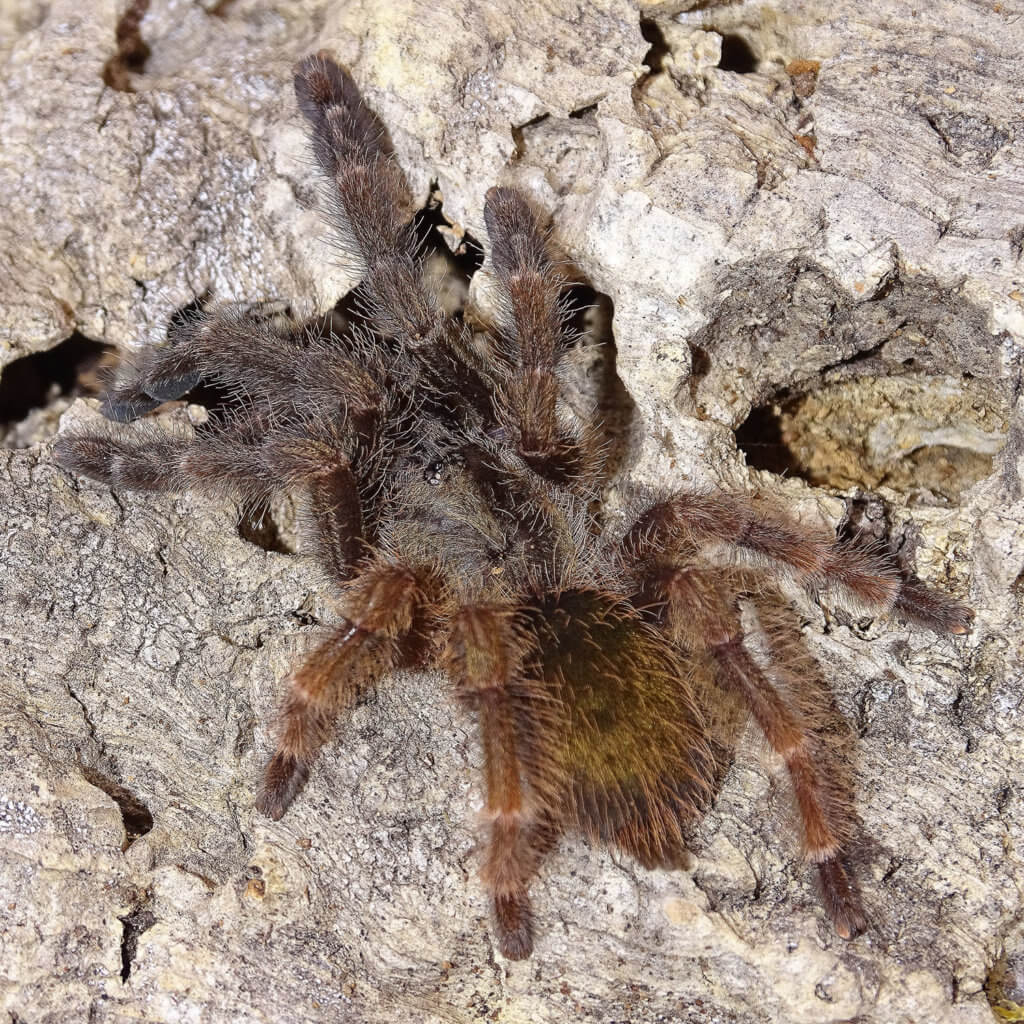
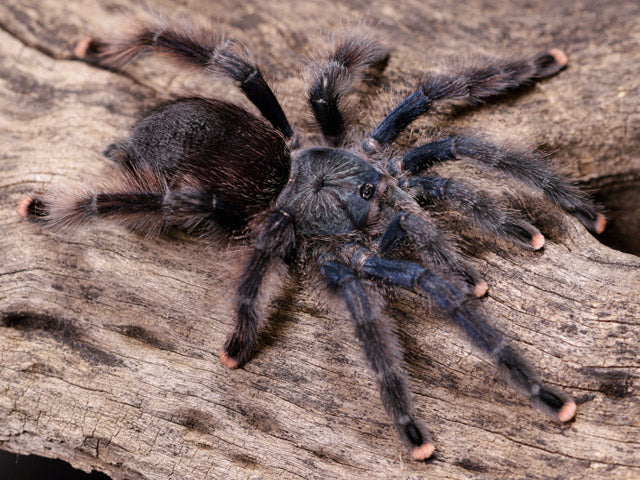
The Guyana Pinktoe Tarantula, scientifically known as Avicularia avicularia, is a captivating and popular species among tarantula enthusiasts. This arachnid derives its name from the striking pink tips on its toes, which contrast beautifully with its predominantly black or dark brown body. Originating from the tropical rainforests of northern South America, specifically in countries like Guyana, Suriname, and Venezuela, this species is well-adapted to the humid and arboreal environments of its native habitat.
Origin: The Guyana Pinktoe Tarantula, Avicularia avicularia, hails from the lush rainforests of northern South America, with a presence in countries like Guyana, Suriname, and Venezuela.
Temperature: These tarantulas thrive in a tropical climate and require an ideal temperature range between 75°F to 85°F (24°C to 29°C) in their enclosure. It's crucial to maintain these temperature conditions to ensure their well-being.
Housing: When housing a Guyana Pinktoe Tarantula, it is essential to provide a vertically oriented enclosure with ample ventilation. A glass terrarium or acrylic container is suitable for their arboreal nature. The enclosure should be adorned with branches, plants, and a substrate like coconut fiber or peat moss for climbing and burrowing. Maintaining a high humidity level of around 70% is vital to mimic their natural habitat.
Feeding: These tarantulas are primarily insectivores and should be fed a diet of appropriately-sized live prey, such as crickets, roaches, or mealworms. Young tarantulas can be fed every few days, while adults can be fed less frequently, about once a week. It is essential to remove any uneaten prey to prevent mold and maintain the cleanliness of the enclosure.
Lifespan: Guyana Pinktoe Tarantulas have a relatively long lifespan for a tarantula species, often living up to 10 to 15 years in captivity with proper care. Their longevity makes them an excellent choice for tarantula enthusiasts looking for a long-term companion.
Behavior and Personality: These tarantulas are known for their docile and calm temperament, making them suitable for beginner tarantula keepers. They are primarily arboreal, spending much of their time in trees and shrubs. When threatened, they may display a defensive posture by lifting their front legs, but bites are rare and not considered medically significant. They are known for their agility and impressive climbing skills.
Please note: We don't ship live animals. You can order online and choose click and collect, and we will hold it for you.
The Guyana Pinktoe Tarantula, scientifically known as Avicularia avicularia, is a captivating and popular species among tarantula enthusiasts. This arachnid derives its name from the striking pink tips on its toes, which contrast beautifully with its predominantly black or dark brown body. Originating from the tropical rainforests of northern South America, specifically in countries like Guyana, Suriname, and Venezuela, this species is well-adapted to the humid and arboreal environments of its native habitat.
Origin: The Guyana Pinktoe Tarantula, Avicularia avicularia, hails from the lush rainforests of northern South America, with a presence in countries like Guyana, Suriname, and Venezuela.
Temperature: These tarantulas thrive in a tropical climate and require an ideal temperature range between 75°F to 85°F (24°C to 29°C) in their enclosure. It's crucial to maintain these temperature conditions to ensure their well-being.
Housing: When housing a Guyana Pinktoe Tarantula, it is essential to provide a vertically oriented enclosure with ample ventilation. A glass terrarium or acrylic container is suitable for their arboreal nature. The enclosure should be adorned with branches, plants, and a substrate like coconut fiber or peat moss for climbing and burrowing. Maintaining a high humidity level of around 70% is vital to mimic their natural habitat.
Feeding: These tarantulas are primarily insectivores and should be fed a diet of appropriately-sized live prey, such as crickets, roaches, or mealworms. Young tarantulas can be fed every few days, while adults can be fed less frequently, about once a week. It is essential to remove any uneaten prey to prevent mold and maintain the cleanliness of the enclosure.
Lifespan: Guyana Pinktoe Tarantulas have a relatively long lifespan for a tarantula species, often living up to 10 to 15 years in captivity with proper care. Their longevity makes them an excellent choice for tarantula enthusiasts looking for a long-term companion.
Behavior and Personality: These tarantulas are known for their docile and calm temperament, making them suitable for beginner tarantula keepers. They are primarily arboreal, spending much of their time in trees and shrubs. When threatened, they may display a defensive posture by lifting their front legs, but bites are rare and not considered medically significant. They are known for their agility and impressive climbing skills.
Please note: We don't ship live animals. You can order online and choose click and collect, and we will hold it for you.
Original: $81.41
-65%$81.41
$28.49Description
The Guyana Pinktoe Tarantula, scientifically known as Avicularia avicularia, is a captivating and popular species among tarantula enthusiasts. This arachnid derives its name from the striking pink tips on its toes, which contrast beautifully with its predominantly black or dark brown body. Originating from the tropical rainforests of northern South America, specifically in countries like Guyana, Suriname, and Venezuela, this species is well-adapted to the humid and arboreal environments of its native habitat.
Origin: The Guyana Pinktoe Tarantula, Avicularia avicularia, hails from the lush rainforests of northern South America, with a presence in countries like Guyana, Suriname, and Venezuela.
Temperature: These tarantulas thrive in a tropical climate and require an ideal temperature range between 75°F to 85°F (24°C to 29°C) in their enclosure. It's crucial to maintain these temperature conditions to ensure their well-being.
Housing: When housing a Guyana Pinktoe Tarantula, it is essential to provide a vertically oriented enclosure with ample ventilation. A glass terrarium or acrylic container is suitable for their arboreal nature. The enclosure should be adorned with branches, plants, and a substrate like coconut fiber or peat moss for climbing and burrowing. Maintaining a high humidity level of around 70% is vital to mimic their natural habitat.
Feeding: These tarantulas are primarily insectivores and should be fed a diet of appropriately-sized live prey, such as crickets, roaches, or mealworms. Young tarantulas can be fed every few days, while adults can be fed less frequently, about once a week. It is essential to remove any uneaten prey to prevent mold and maintain the cleanliness of the enclosure.
Lifespan: Guyana Pinktoe Tarantulas have a relatively long lifespan for a tarantula species, often living up to 10 to 15 years in captivity with proper care. Their longevity makes them an excellent choice for tarantula enthusiasts looking for a long-term companion.
Behavior and Personality: These tarantulas are known for their docile and calm temperament, making them suitable for beginner tarantula keepers. They are primarily arboreal, spending much of their time in trees and shrubs. When threatened, they may display a defensive posture by lifting their front legs, but bites are rare and not considered medically significant. They are known for their agility and impressive climbing skills.
Please note: We don't ship live animals. You can order online and choose click and collect, and we will hold it for you.