Jones' Tree Creeper Scorpion | Cheloctonus jonesii
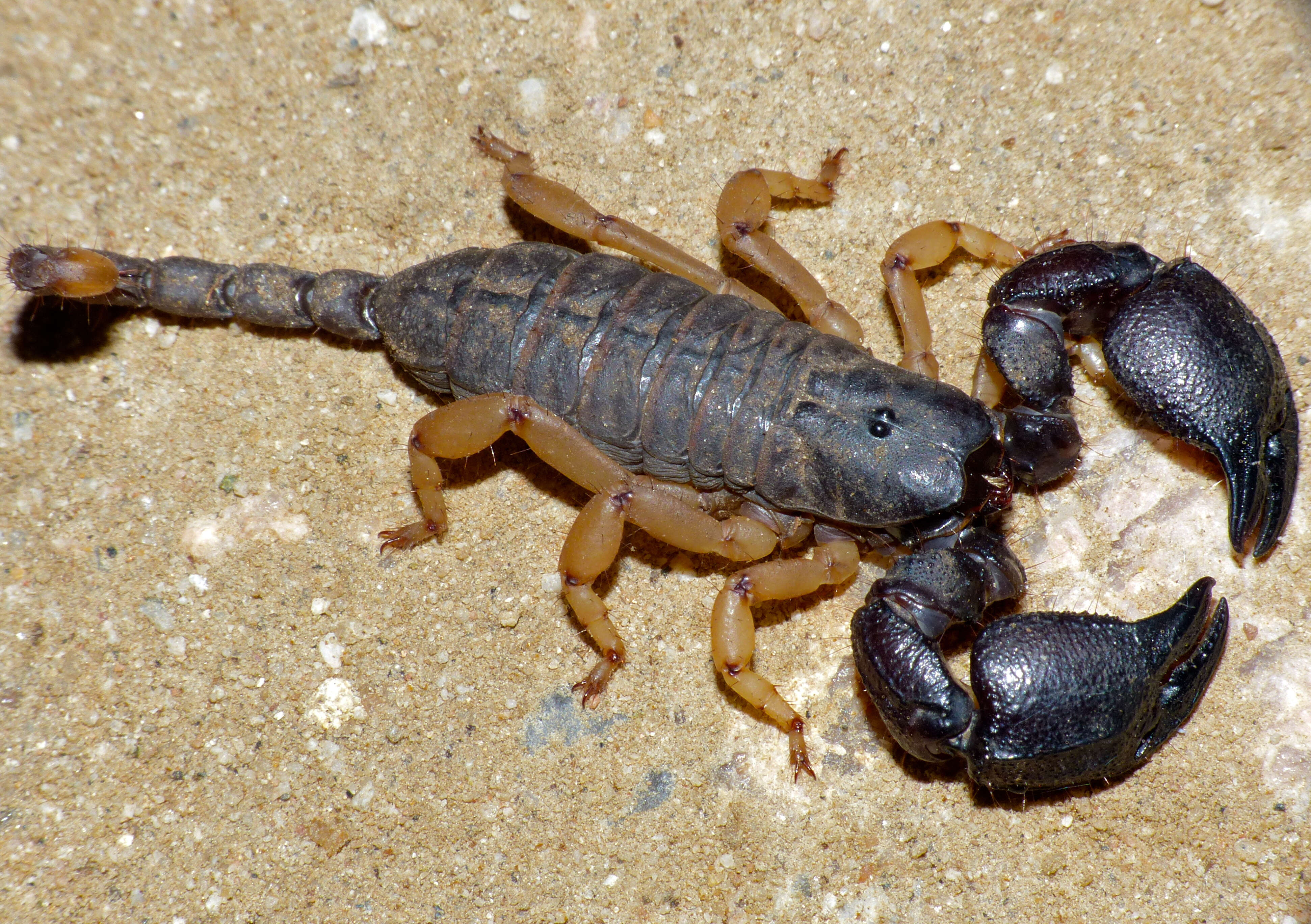
Cheloctonus Jonesii, commonly known as the Jonesii scorpion, is a fascinating arachnid species that captivates enthusiasts and researchers alike. These scorpions are primarily found in the eastern side of South Africa. They are known for their striking appearance, with a sleek and slender body measuring approximately 3 inches in length with tail extended. Their coloration varies, ranging from shades of brown to black, which helps them blend seamlessly with their natural surroundings.
Origin: The Cheloctonus jonesii species is native to the eastern side of South Africa.
Temperature: These scorpions thrive in warm climates. The ideal temperature range for Cheloctonus jonesii is between 75 and 85 degrees Fahrenheit (24-29 degrees Celsius).
Housing: Proper housing is crucial for the well-being of Cheloctonus jonesii. They require an enclosure that replicates their natural habitat, including a substrate of moist soil or coconut fiber. The enclosure should also provide hiding spots, such as rocks or pieces of bark, to mimic their natural environment. It is essential to maintain appropriate humidity levels, around 70-80%, to ensure their health and survival.
Feeding: Cheloctonus Jonesii scorpions are carnivorous and primarily feed on small insects, such as crickets, roaches, and mealworms. Feeding them once or twice a week is usually sufficient.
Lifespan: The lifespan of Cheloctonus jonesii can vary depending on various factors, including their environment and care. On average, these scorpions can live for about 6 to 8 years in captivity if provided with proper care, suitable housing, and a nutritious diet.
Behavior and Personality: Cheloctonus jonesii scorpions are known for their relatively docile nature compared to some other scorpion species. They are generally non-aggressive and prefer to hide rather than confront potential threats. However, like all scorpions, they possess venomous stingers and should be handled with caution. Regular observation can provide insights into their fascinating behavior, as they exhibit hunting techniques, mating rituals, and interaction with their environment.
Please note: We don't ship live animals. You can order online and choose click and collect, and we will hold it for you.
Cheloctonus Jonesii, commonly known as the Jonesii scorpion, is a fascinating arachnid species that captivates enthusiasts and researchers alike. These scorpions are primarily found in the eastern side of South Africa. They are known for their striking appearance, with a sleek and slender body measuring approximately 3 inches in length with tail extended. Their coloration varies, ranging from shades of brown to black, which helps them blend seamlessly with their natural surroundings.
Origin: The Cheloctonus jonesii species is native to the eastern side of South Africa.
Temperature: These scorpions thrive in warm climates. The ideal temperature range for Cheloctonus jonesii is between 75 and 85 degrees Fahrenheit (24-29 degrees Celsius).
Housing: Proper housing is crucial for the well-being of Cheloctonus jonesii. They require an enclosure that replicates their natural habitat, including a substrate of moist soil or coconut fiber. The enclosure should also provide hiding spots, such as rocks or pieces of bark, to mimic their natural environment. It is essential to maintain appropriate humidity levels, around 70-80%, to ensure their health and survival.
Feeding: Cheloctonus Jonesii scorpions are carnivorous and primarily feed on small insects, such as crickets, roaches, and mealworms. Feeding them once or twice a week is usually sufficient.
Lifespan: The lifespan of Cheloctonus jonesii can vary depending on various factors, including their environment and care. On average, these scorpions can live for about 6 to 8 years in captivity if provided with proper care, suitable housing, and a nutritious diet.
Behavior and Personality: Cheloctonus jonesii scorpions are known for their relatively docile nature compared to some other scorpion species. They are generally non-aggressive and prefer to hide rather than confront potential threats. However, like all scorpions, they possess venomous stingers and should be handled with caution. Regular observation can provide insights into their fascinating behavior, as they exhibit hunting techniques, mating rituals, and interaction with their environment.
Please note: We don't ship live animals. You can order online and choose click and collect, and we will hold it for you.
Description
Cheloctonus Jonesii, commonly known as the Jonesii scorpion, is a fascinating arachnid species that captivates enthusiasts and researchers alike. These scorpions are primarily found in the eastern side of South Africa. They are known for their striking appearance, with a sleek and slender body measuring approximately 3 inches in length with tail extended. Their coloration varies, ranging from shades of brown to black, which helps them blend seamlessly with their natural surroundings.
Origin: The Cheloctonus jonesii species is native to the eastern side of South Africa.
Temperature: These scorpions thrive in warm climates. The ideal temperature range for Cheloctonus jonesii is between 75 and 85 degrees Fahrenheit (24-29 degrees Celsius).
Housing: Proper housing is crucial for the well-being of Cheloctonus jonesii. They require an enclosure that replicates their natural habitat, including a substrate of moist soil or coconut fiber. The enclosure should also provide hiding spots, such as rocks or pieces of bark, to mimic their natural environment. It is essential to maintain appropriate humidity levels, around 70-80%, to ensure their health and survival.
Feeding: Cheloctonus Jonesii scorpions are carnivorous and primarily feed on small insects, such as crickets, roaches, and mealworms. Feeding them once or twice a week is usually sufficient.
Lifespan: The lifespan of Cheloctonus jonesii can vary depending on various factors, including their environment and care. On average, these scorpions can live for about 6 to 8 years in captivity if provided with proper care, suitable housing, and a nutritious diet.
Behavior and Personality: Cheloctonus jonesii scorpions are known for their relatively docile nature compared to some other scorpion species. They are generally non-aggressive and prefer to hide rather than confront potential threats. However, like all scorpions, they possess venomous stingers and should be handled with caution. Regular observation can provide insights into their fascinating behavior, as they exhibit hunting techniques, mating rituals, and interaction with their environment.
Please note: We don't ship live animals. You can order online and choose click and collect, and we will hold it for you.