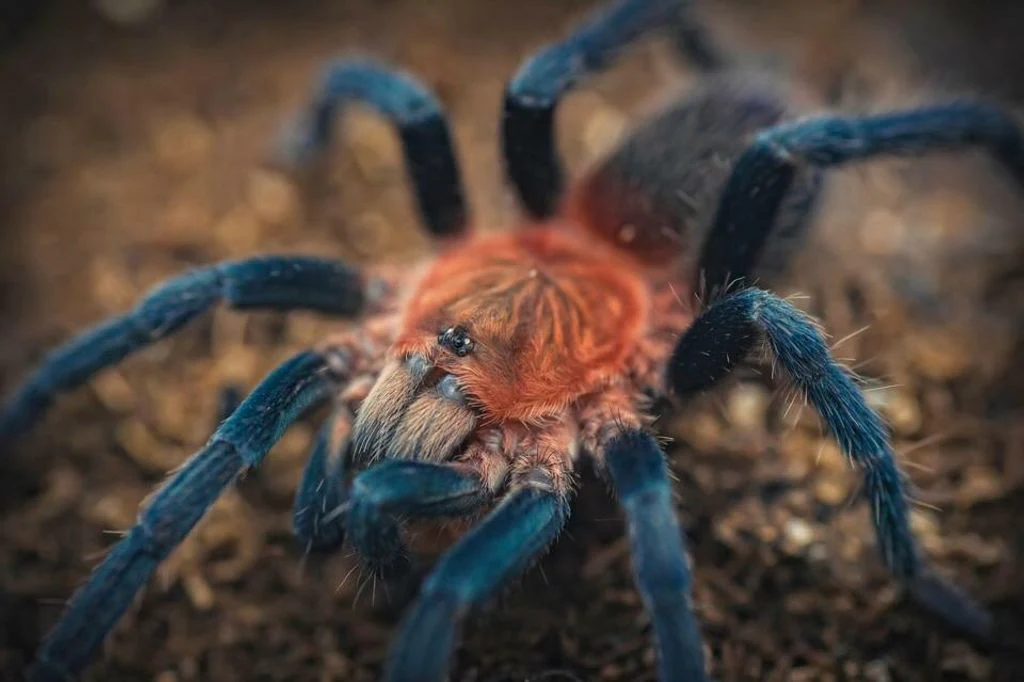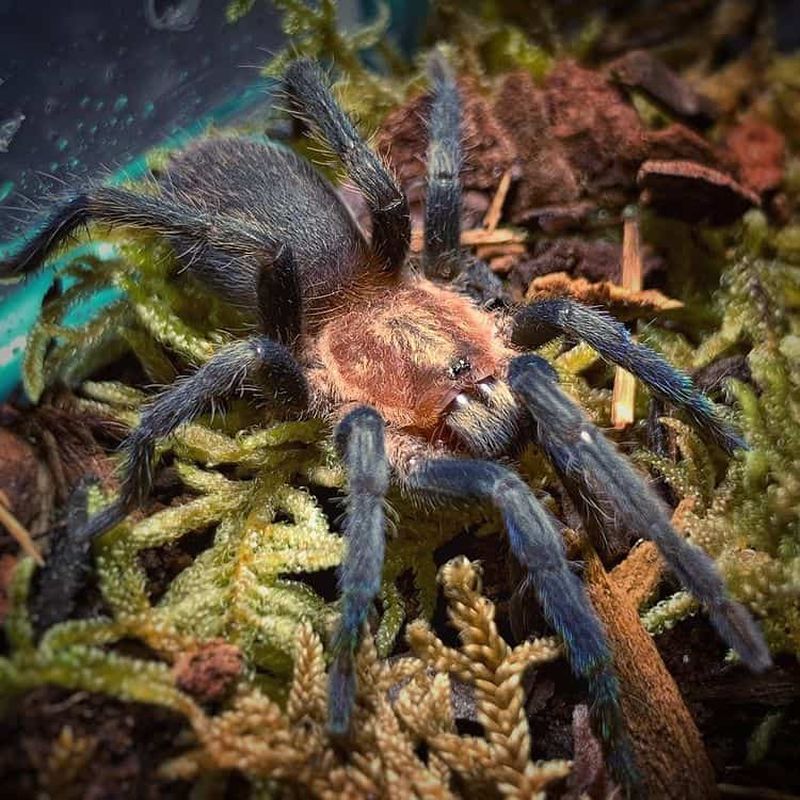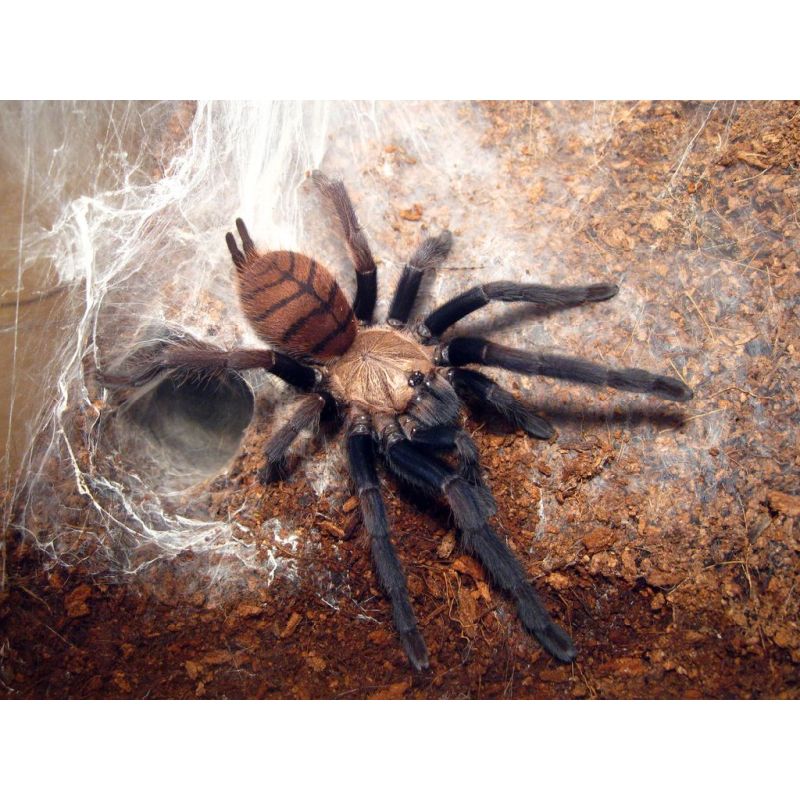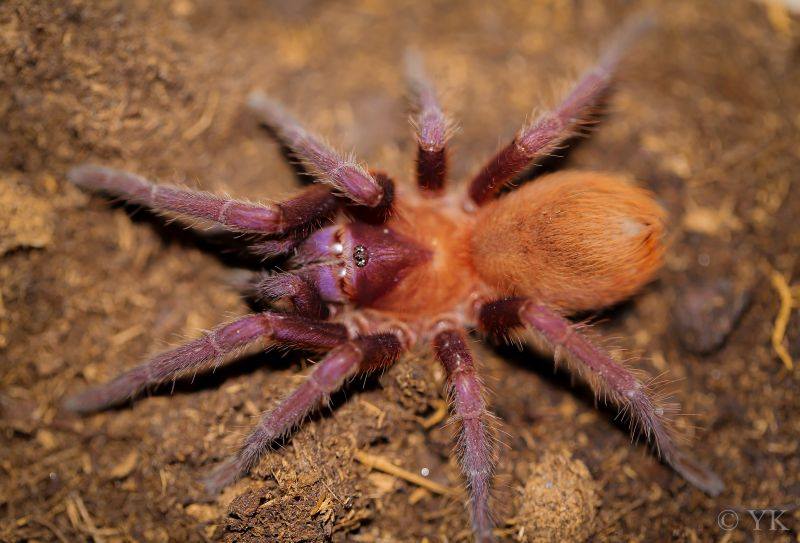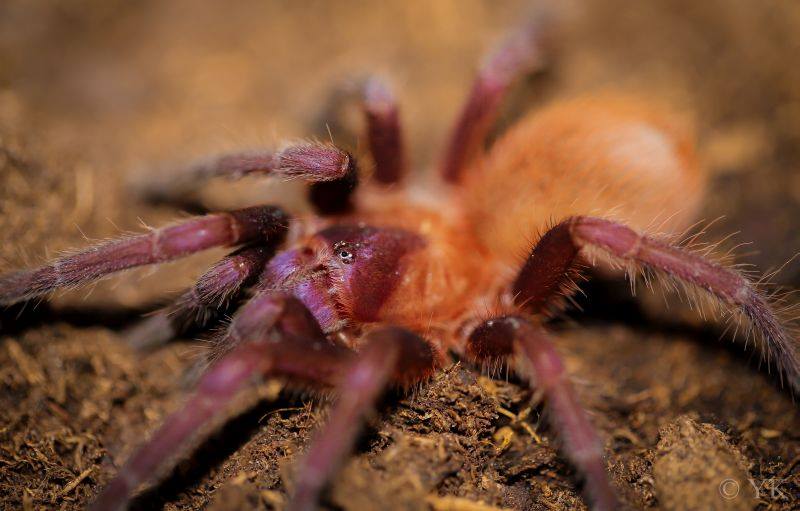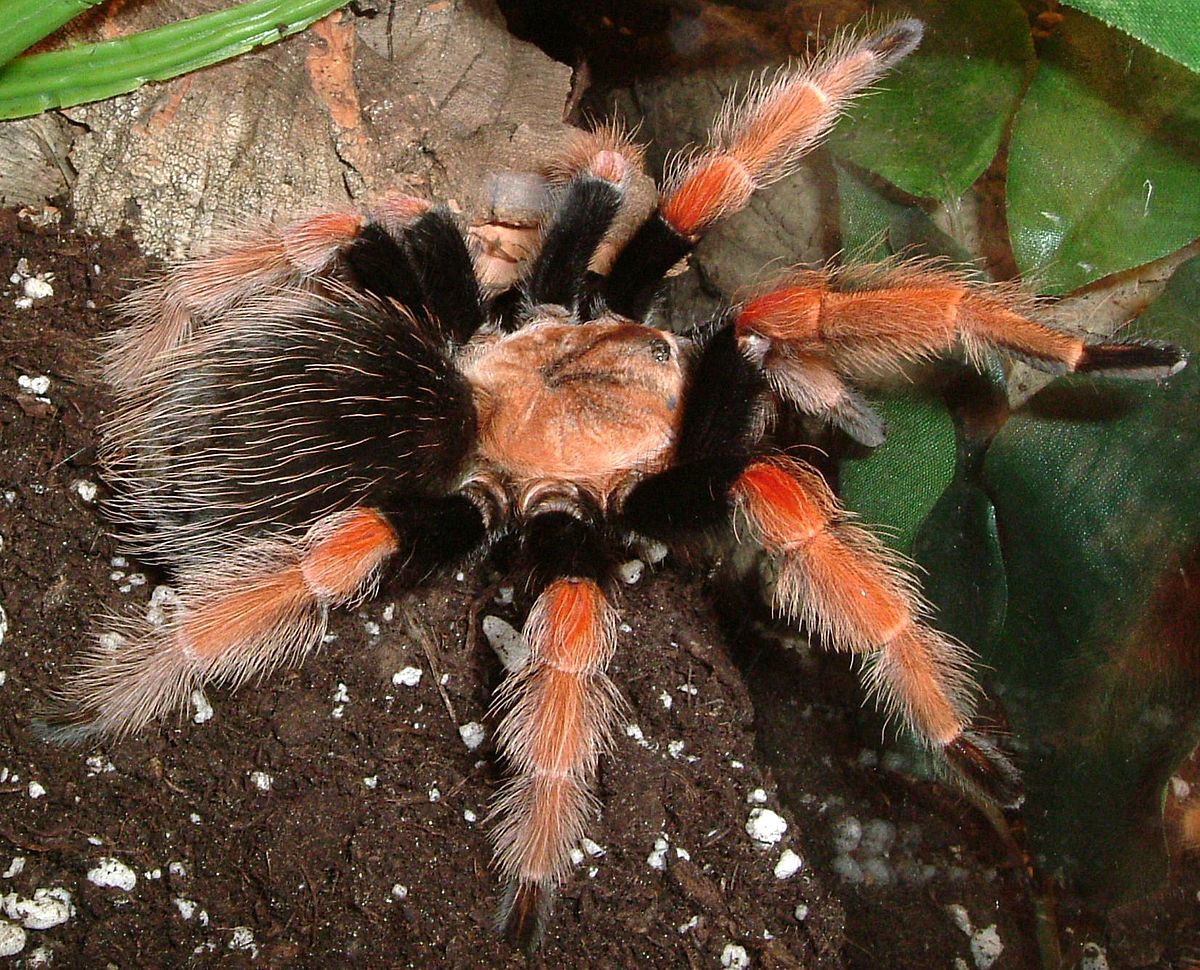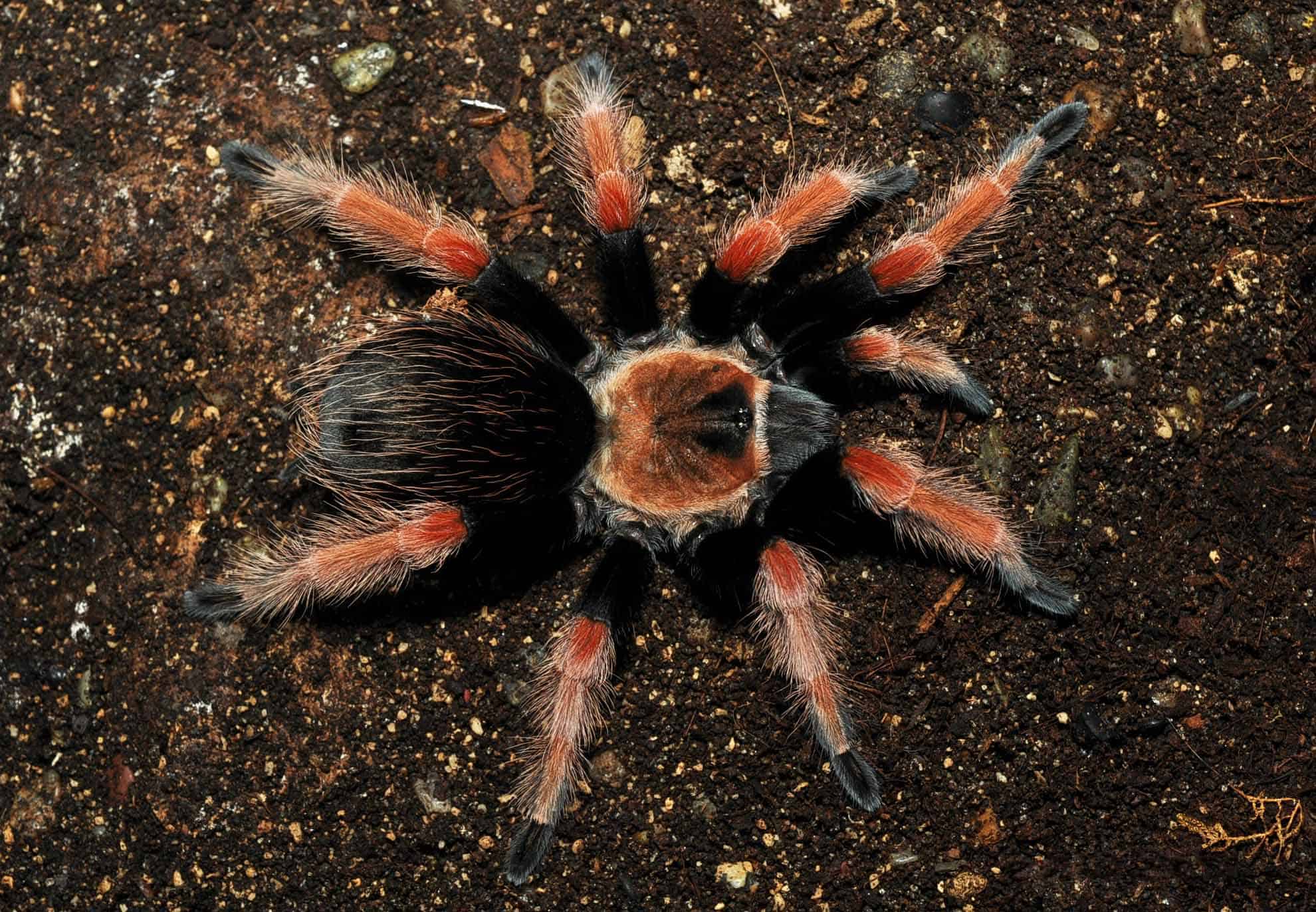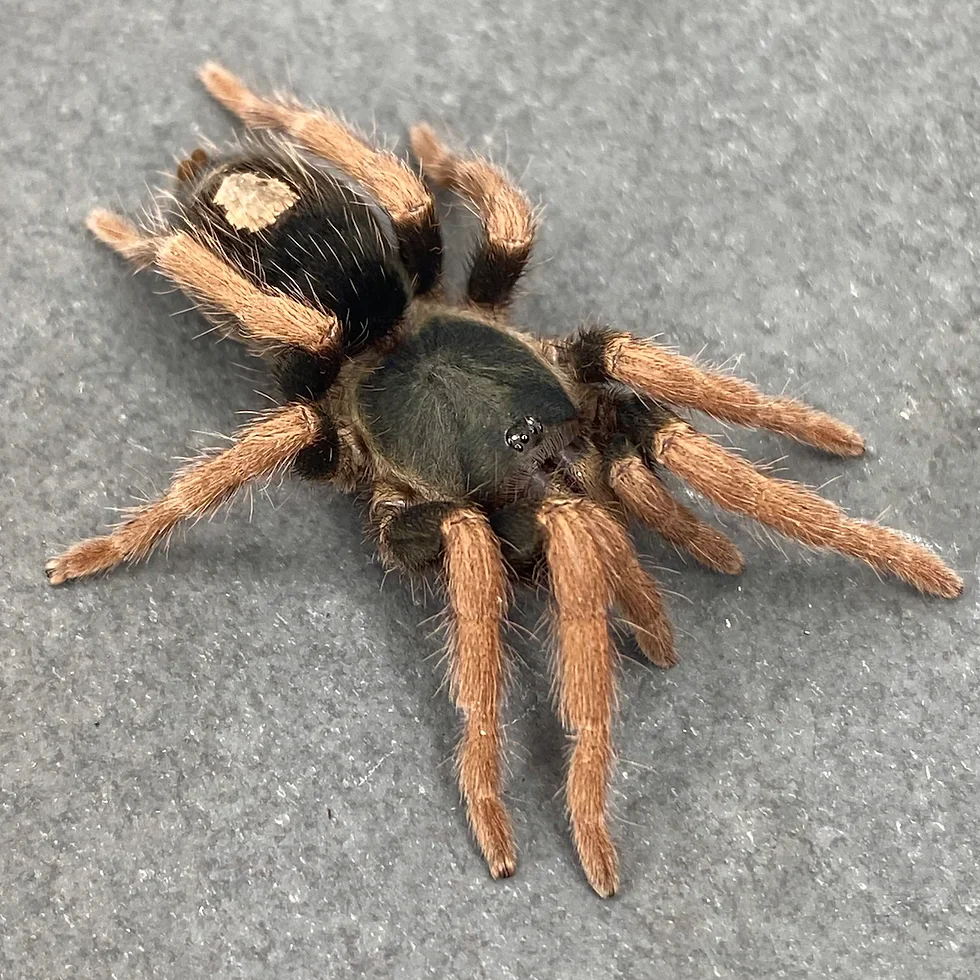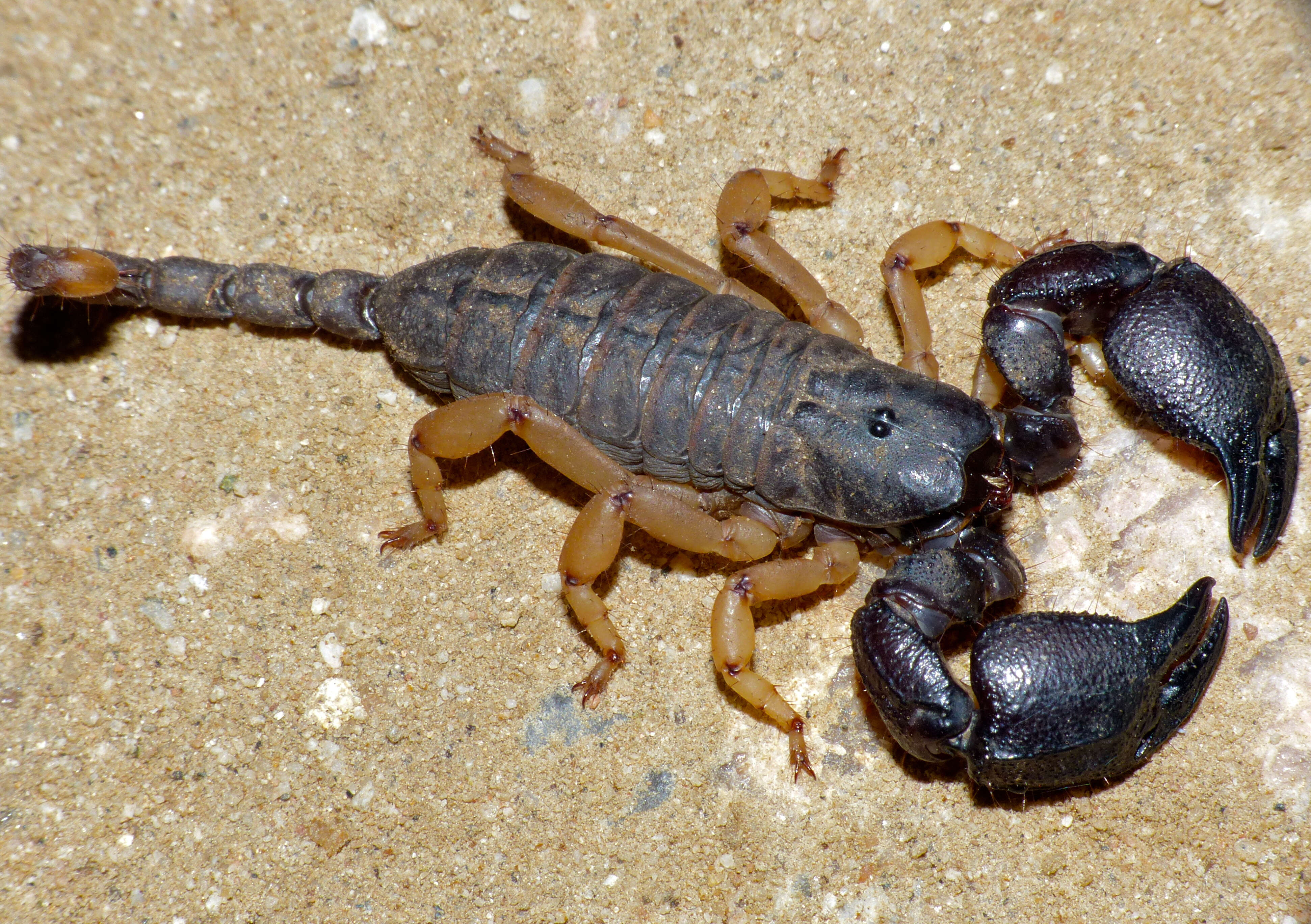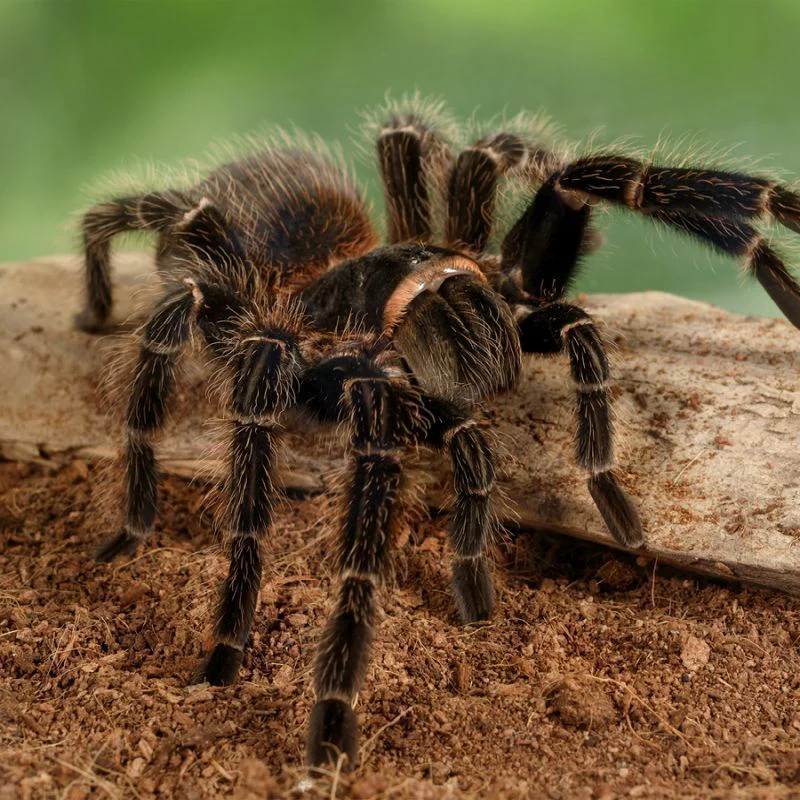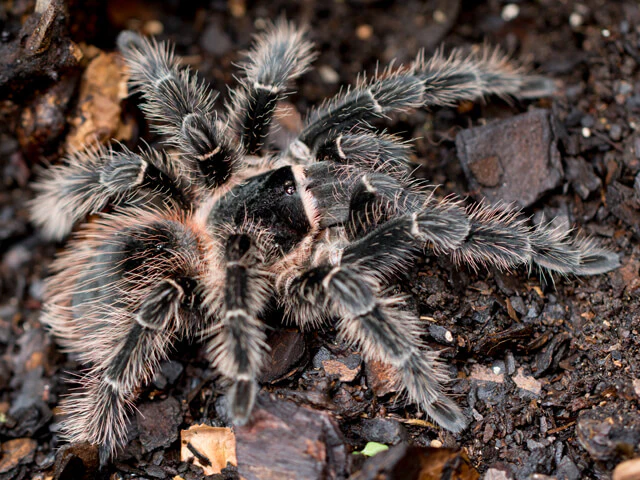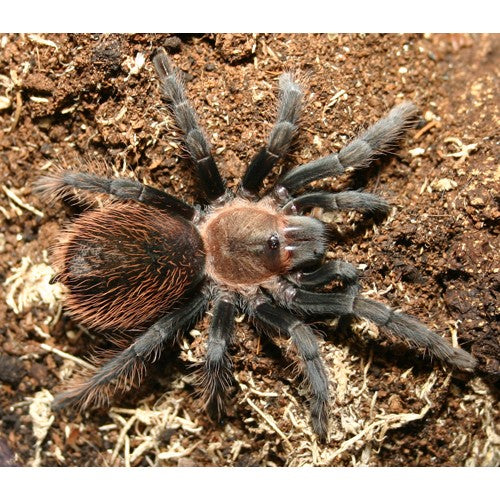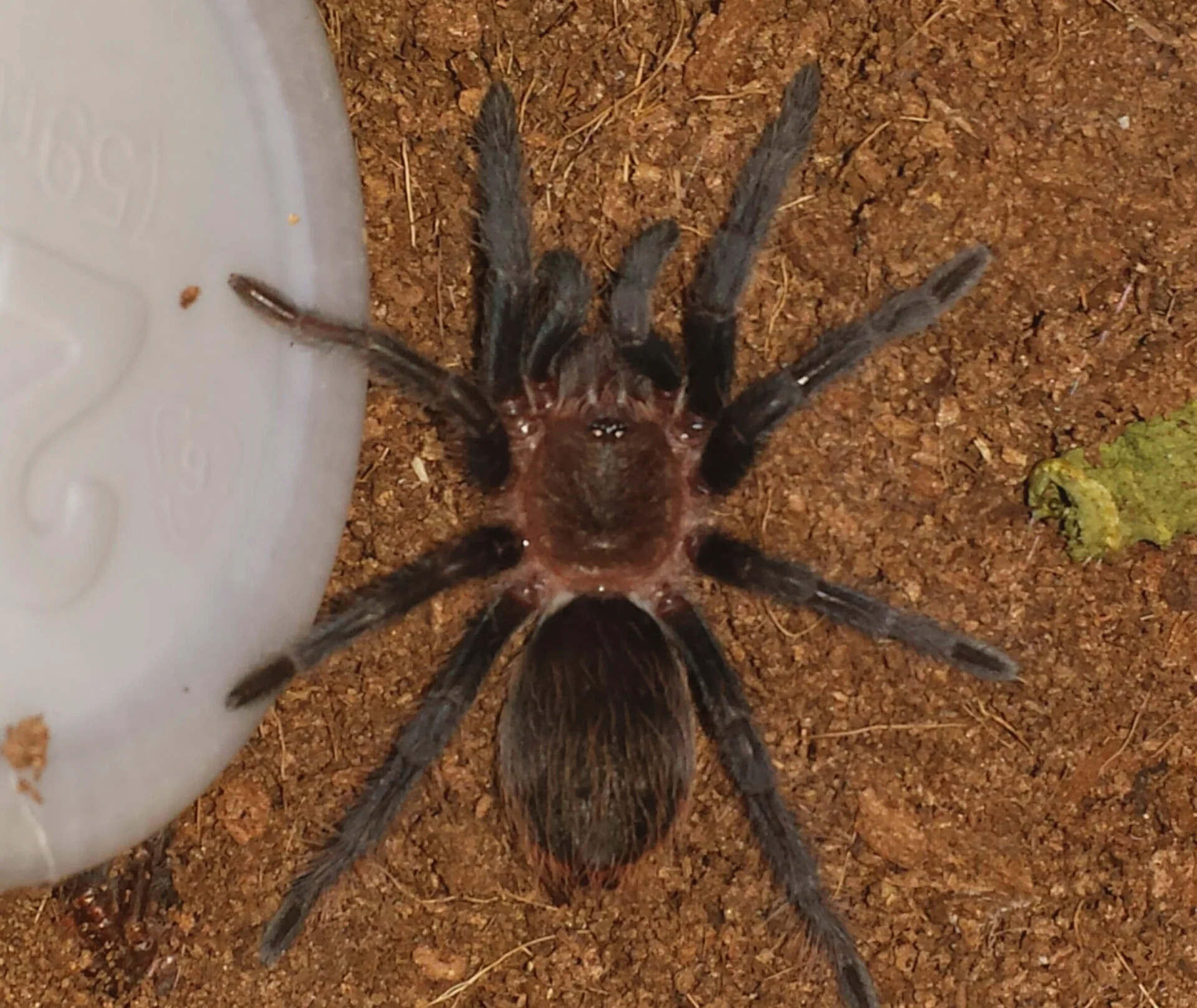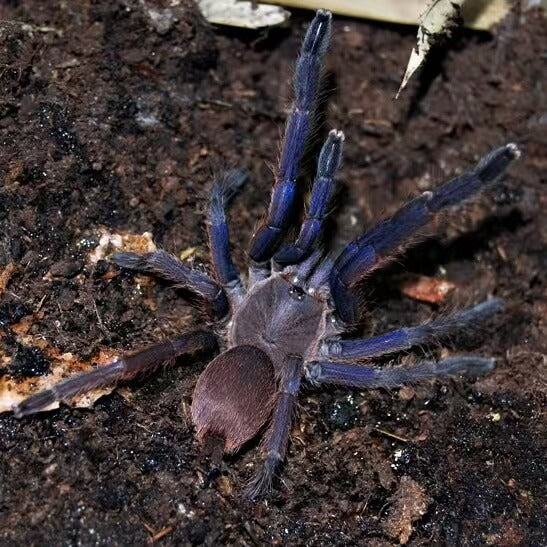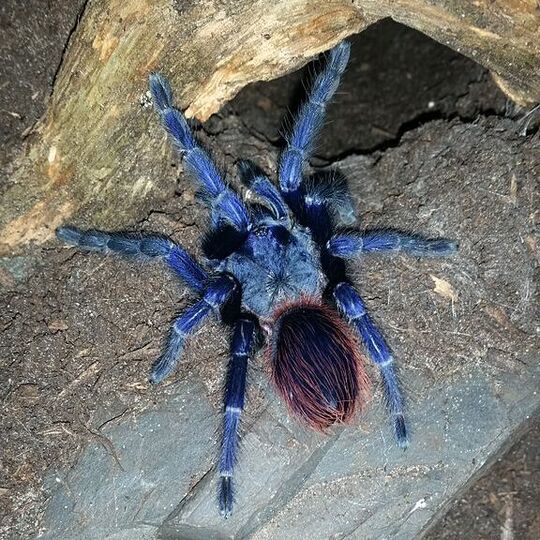

Giant Desert Hairy Scorpion (Hadrurus arizonensis)
Giant Hairy Scorpion (Hadrurus arizonensis) Care Sheet
Quick Facts
| Attribute | Details |
|---|---|
| Common Name | Giant Hairy Scorpion |
| Scientific Name | Hadrurus arizonensis |
| Origin | Southwestern USA (Arizona, California) |
| Adult Size | 15–20 cm |
| Lifespan | 7–10 years |
| Activity | Nocturnal predator |
Behavior
-
Large, robust, and generally docile but capable of a defensive sting.
-
Nocturnal and burrowing; spends daytime hiding under substrate, rocks, or logs.
-
Active hunter at night; primarily ground-dwelling.
-
Fast-moving for its size; stress may trigger defensive posturing.
Enclosure Requirements
-
Tank Size: Minimum 40 liters for a single adult
-
Substrate: 10–15 cm of dry sand-soil mix; allows burrowing
-
Decor: Rocks, cork bark, logs, and hides
-
Humidity: 40–60% (occasional light misting, avoid overwatering)
-
Temperature:
-
Day: 25–30°C
-
Night: 20–24°C
-
-
Lighting: Low light; avoid direct sunlight
-
Ventilation: Moderate airflow to prevent mold
Compatibility
-
Best housed singly; territorial and predatory.
-
Avoid cohabiting with other scorpions or small invertebrates.
Diet
-
Carnivorous; feeds on live prey:
-
Crickets
-
Roaches
-
Mealworms / superworms
-
-
Feed juveniles 2–3× per week; adults 1–2× per week
-
Provide shallow water dish or moist cotton
-
Remove uneaten prey after 24 hours
Care Tips
-
Avoid handling; large size and defensive sting can cause injury.
-
Maintain proper temperature and low-moderate humidity.
-
Provide secure burrows and hiding spaces.
-
Spot-clean regularly; remove waste and mold.
-
Ensure secure lid; excellent burrowers and escape-prone.
Breeding
-
Ovoviviparous; females give live birth to 20–60 young.
-
Gestation lasts 9–12 months depending on conditions.
-
Juveniles ride on the female’s back until first molt (~2–3 weeks).
-
Young require appropriately sized prey and slightly higher humidity.
Visual Quick Guide
-
🏠 Enclosure: ≥40 L, burrowable substrate, hides
-
🌡️ Temp: Day 25–30°C / Night 20–24°C
-
💧 Humidity: 40–60%
-
🍴 Diet: Carnivorous (live insects)
-
🕒 Activity: Nocturnal, burrowing predator
-
⚠️ Stress: Avoid handling; provide hides
Please note: We don't ship live animals. You can order online and choose click and collect, and we will hold it for you.
Giant Hairy Scorpion (Hadrurus arizonensis) Care Sheet
Quick Facts
| Attribute | Details |
|---|---|
| Common Name | Giant Hairy Scorpion |
| Scientific Name | Hadrurus arizonensis |
| Origin | Southwestern USA (Arizona, California) |
| Adult Size | 15–20 cm |
| Lifespan | 7–10 years |
| Activity | Nocturnal predator |
Behavior
-
Large, robust, and generally docile but capable of a defensive sting.
-
Nocturnal and burrowing; spends daytime hiding under substrate, rocks, or logs.
-
Active hunter at night; primarily ground-dwelling.
-
Fast-moving for its size; stress may trigger defensive posturing.
Enclosure Requirements
-
Tank Size: Minimum 40 liters for a single adult
-
Substrate: 10–15 cm of dry sand-soil mix; allows burrowing
-
Decor: Rocks, cork bark, logs, and hides
-
Humidity: 40–60% (occasional light misting, avoid overwatering)
-
Temperature:
-
Day: 25–30°C
-
Night: 20–24°C
-
-
Lighting: Low light; avoid direct sunlight
-
Ventilation: Moderate airflow to prevent mold
Compatibility
-
Best housed singly; territorial and predatory.
-
Avoid cohabiting with other scorpions or small invertebrates.
Diet
-
Carnivorous; feeds on live prey:
-
Crickets
-
Roaches
-
Mealworms / superworms
-
-
Feed juveniles 2–3× per week; adults 1–2× per week
-
Provide shallow water dish or moist cotton
-
Remove uneaten prey after 24 hours
Care Tips
-
Avoid handling; large size and defensive sting can cause injury.
-
Maintain proper temperature and low-moderate humidity.
-
Provide secure burrows and hiding spaces.
-
Spot-clean regularly; remove waste and mold.
-
Ensure secure lid; excellent burrowers and escape-prone.
Breeding
-
Ovoviviparous; females give live birth to 20–60 young.
-
Gestation lasts 9–12 months depending on conditions.
-
Juveniles ride on the female’s back until first molt (~2–3 weeks).
-
Young require appropriately sized prey and slightly higher humidity.
Visual Quick Guide
-
🏠 Enclosure: ≥40 L, burrowable substrate, hides
-
🌡️ Temp: Day 25–30°C / Night 20–24°C
-
💧 Humidity: 40–60%
-
🍴 Diet: Carnivorous (live insects)
-
🕒 Activity: Nocturnal, burrowing predator
-
⚠️ Stress: Avoid handling; provide hides
Please note: We don't ship live animals. You can order online and choose click and collect, and we will hold it for you.
Description
Giant Hairy Scorpion (Hadrurus arizonensis) Care Sheet
Quick Facts
| Attribute | Details |
|---|---|
| Common Name | Giant Hairy Scorpion |
| Scientific Name | Hadrurus arizonensis |
| Origin | Southwestern USA (Arizona, California) |
| Adult Size | 15–20 cm |
| Lifespan | 7–10 years |
| Activity | Nocturnal predator |
Behavior
-
Large, robust, and generally docile but capable of a defensive sting.
-
Nocturnal and burrowing; spends daytime hiding under substrate, rocks, or logs.
-
Active hunter at night; primarily ground-dwelling.
-
Fast-moving for its size; stress may trigger defensive posturing.
Enclosure Requirements
-
Tank Size: Minimum 40 liters for a single adult
-
Substrate: 10–15 cm of dry sand-soil mix; allows burrowing
-
Decor: Rocks, cork bark, logs, and hides
-
Humidity: 40–60% (occasional light misting, avoid overwatering)
-
Temperature:
-
Day: 25–30°C
-
Night: 20–24°C
-
-
Lighting: Low light; avoid direct sunlight
-
Ventilation: Moderate airflow to prevent mold
Compatibility
-
Best housed singly; territorial and predatory.
-
Avoid cohabiting with other scorpions or small invertebrates.
Diet
-
Carnivorous; feeds on live prey:
-
Crickets
-
Roaches
-
Mealworms / superworms
-
-
Feed juveniles 2–3× per week; adults 1–2× per week
-
Provide shallow water dish or moist cotton
-
Remove uneaten prey after 24 hours
Care Tips
-
Avoid handling; large size and defensive sting can cause injury.
-
Maintain proper temperature and low-moderate humidity.
-
Provide secure burrows and hiding spaces.
-
Spot-clean regularly; remove waste and mold.
-
Ensure secure lid; excellent burrowers and escape-prone.
Breeding
-
Ovoviviparous; females give live birth to 20–60 young.
-
Gestation lasts 9–12 months depending on conditions.
-
Juveniles ride on the female’s back until first molt (~2–3 weeks).
-
Young require appropriately sized prey and slightly higher humidity.
Visual Quick Guide
-
🏠 Enclosure: ≥40 L, burrowable substrate, hides
-
🌡️ Temp: Day 25–30°C / Night 20–24°C
-
💧 Humidity: 40–60%
-
🍴 Diet: Carnivorous (live insects)
-
🕒 Activity: Nocturnal, burrowing predator
-
⚠️ Stress: Avoid handling; provide hides
Please note: We don't ship live animals. You can order online and choose click and collect, and we will hold it for you.