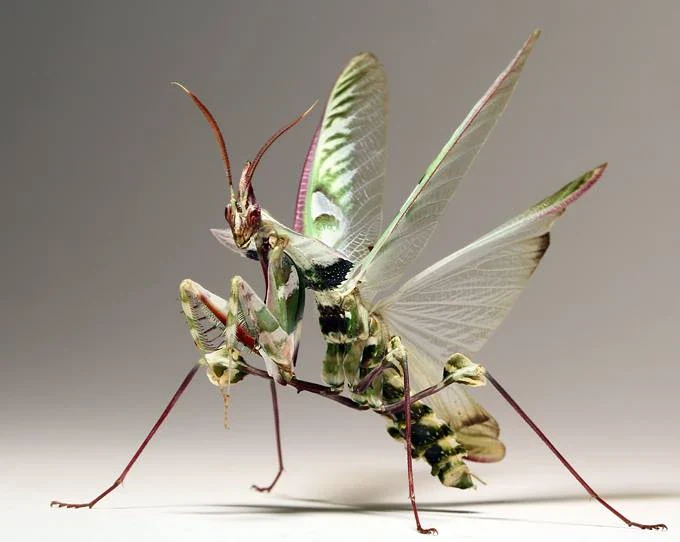
Devil's Flower Mantis | Idolomantis diabolica
| Common Name | Devil’s Flower Mantis |
| Scientific Name | Idolomantis diabolica |
| Origin | East Africa (Ethiopia, Kenya, Tanzania) |
| Adult Size | 10–13 cm |
| Lifespan | 10–14 months |
| Activity | Diurnal, arboreal predator |
Behavior
-
One of the largest and most spectacular mantis species.
-
Diurnal hunter that ambushes flying insects.
-
Displays dramatic threat posture showing large colorful wings when disturbed.
-
Sensitive species that requires stable temperature and excellent ventilation.
Enclosure Requirements
-
Tank Size: Minimum 20–30 liters tall enclosure for a single adult
-
Substrate: 2–3 cm of coconut fiber or paper towel (primarily decorative)
-
Decor: Branches and vertical sticks for climbing and molting
-
Humidity: 40–60% with good ventilation
-
Temperature:
-
Day: 26–30°C
-
Night: 22–24°C
-
-
Lighting: Bright indirect light; natural daylight cycle recommended
-
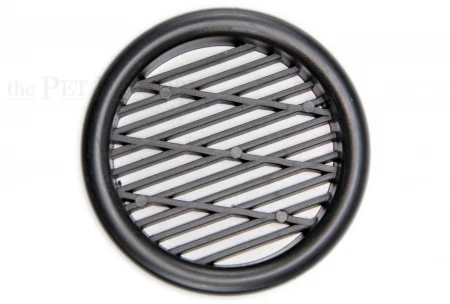
Ventilation: Excellent airflow is essential to prevent health issues
Compatibility
-
Best housed singly; mantids are highly cannibalistic.
-
Avoid housing with other insects except prey items.
Diet
-
Carnivorous; prefers flying prey:
-
Bluebottle flies
-
House flies
-
Small locusts
-
-
Juveniles: feed daily or every other day
-
Adults: feed every 2–3 days
-
Remove uneaten prey promptly
Care Tips
-
Provide plenty of vertical space for molting.
-
Maintain good airflow while avoiding excessive humidity.
-
Avoid handling; mantids are delicate and stress easily.
-
Keep enclosure clean and remove dead insects quickly.
Breeding
-
Oviparous; females produce foam-like egg cases called oothecae.
-
Incubation: 4–6 weeks depending on temperature and humidity.
-
Nymphs are highly cannibalistic and must be separated quickly after hatching.
Visual Quick Guide
-
🏠 Enclosure: ≥20–30 L tall enclosure, branches for climbing
-
🌡️ Temp: Day 26–30°C / Night 22–24°C
-
💧 Humidity: 40–60% with strong ventilation
-
🍴 Diet: Carnivorous (mainly flying insects)
-
🕒 Activity: Diurnal, arboreal ambush predator
-
⚠️ Stress: Avoid handling; ensure excellent ventilation and vertical space
Please note: We don't ship live animals. You can order online and choose click and collect, and we will hold it for you.
| Common Name | Devil’s Flower Mantis |
| Scientific Name | Idolomantis diabolica |
| Origin | East Africa (Ethiopia, Kenya, Tanzania) |
| Adult Size | 10–13 cm |
| Lifespan | 10–14 months |
| Activity | Diurnal, arboreal predator |
Behavior
-
One of the largest and most spectacular mantis species.
-
Diurnal hunter that ambushes flying insects.
-
Displays dramatic threat posture showing large colorful wings when disturbed.
-
Sensitive species that requires stable temperature and excellent ventilation.
Enclosure Requirements
-
Tank Size: Minimum 20–30 liters tall enclosure for a single adult
-
Substrate: 2–3 cm of coconut fiber or paper towel (primarily decorative)
-
Decor: Branches and vertical sticks for climbing and molting
-
Humidity: 40–60% with good ventilation
-
Temperature:
-
Day: 26–30°C
-
Night: 22–24°C
-
-
Lighting: Bright indirect light; natural daylight cycle recommended
-
Ventilation: Excellent airflow is essential to prevent health issues
Compatibility
-
Best housed singly; mantids are highly cannibalistic.
-
Avoid housing with other insects except prey items.
Diet
-
Carnivorous; prefers flying prey:
-
Bluebottle flies
-
House flies
-
Small locusts
-
-
Juveniles: feed daily or every other day
-
Adults: feed every 2–3 days
-
Remove uneaten prey promptly
Care Tips
-
Provide plenty of vertical space for molting.
-
Maintain good airflow while avoiding excessive humidity.
-
Avoid handling; mantids are delicate and stress easily.
-
Keep enclosure clean and remove dead insects quickly.
Breeding
-
Oviparous; females produce foam-like egg cases called oothecae.
-
Incubation: 4–6 weeks depending on temperature and humidity.
-
Nymphs are highly cannibalistic and must be separated quickly after hatching.
Visual Quick Guide
-
🏠 Enclosure: ≥20–30 L tall enclosure, branches for climbing
-
🌡️ Temp: Day 26–30°C / Night 22–24°C
-
💧 Humidity: 40–60% with strong ventilation
-
🍴 Diet: Carnivorous (mainly flying insects)
-
🕒 Activity: Diurnal, arboreal ambush predator
-
⚠️ Stress: Avoid handling; ensure excellent ventilation and vertical space
Please note: We don't ship live animals. You can order online and choose click and collect, and we will hold it for you.
Original: $55.82
-65%$55.82
$19.54Description
| Common Name | Devil’s Flower Mantis |
| Scientific Name | Idolomantis diabolica |
| Origin | East Africa (Ethiopia, Kenya, Tanzania) |
| Adult Size | 10–13 cm |
| Lifespan | 10–14 months |
| Activity | Diurnal, arboreal predator |
Behavior
-
One of the largest and most spectacular mantis species.
-
Diurnal hunter that ambushes flying insects.
-
Displays dramatic threat posture showing large colorful wings when disturbed.
-
Sensitive species that requires stable temperature and excellent ventilation.
Enclosure Requirements
-
Tank Size: Minimum 20–30 liters tall enclosure for a single adult
-
Substrate: 2–3 cm of coconut fiber or paper towel (primarily decorative)
-
Decor: Branches and vertical sticks for climbing and molting
-
Humidity: 40–60% with good ventilation
-
Temperature:
-
Day: 26–30°C
-
Night: 22–24°C
-
-
Lighting: Bright indirect light; natural daylight cycle recommended
-
Ventilation: Excellent airflow is essential to prevent health issues
Compatibility
-
Best housed singly; mantids are highly cannibalistic.
-
Avoid housing with other insects except prey items.
Diet
-
Carnivorous; prefers flying prey:
-
Bluebottle flies
-
House flies
-
Small locusts
-
-
Juveniles: feed daily or every other day
-
Adults: feed every 2–3 days
-
Remove uneaten prey promptly
Care Tips
-
Provide plenty of vertical space for molting.
-
Maintain good airflow while avoiding excessive humidity.
-
Avoid handling; mantids are delicate and stress easily.
-
Keep enclosure clean and remove dead insects quickly.
Breeding
-
Oviparous; females produce foam-like egg cases called oothecae.
-
Incubation: 4–6 weeks depending on temperature and humidity.
-
Nymphs are highly cannibalistic and must be separated quickly after hatching.
Visual Quick Guide
-
🏠 Enclosure: ≥20–30 L tall enclosure, branches for climbing
-
🌡️ Temp: Day 26–30°C / Night 22–24°C
-
💧 Humidity: 40–60% with strong ventilation
-
🍴 Diet: Carnivorous (mainly flying insects)
-
🕒 Activity: Diurnal, arboreal ambush predator
-
⚠️ Stress: Avoid handling; ensure excellent ventilation and vertical space
Please note: We don't ship live animals. You can order online and choose click and collect, and we will hold it for you.